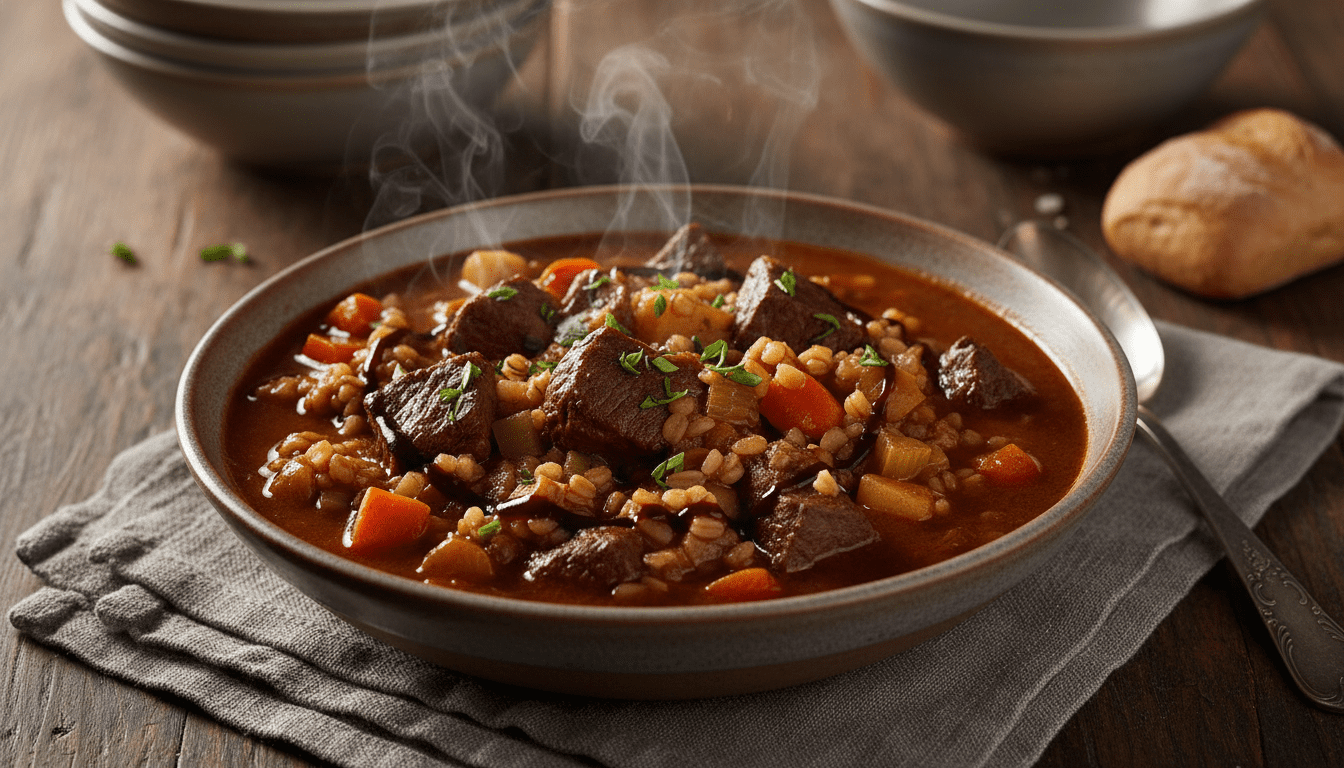
Venison Soup: How Do You Make Hearty Barley Venison Vegetable Stew?
There’s nothing quite like venison. That deep, earthy flavor, lean and clean from a life lived free. It’s not beef, not pork, and it shouldn’t try to be. It demands respect, a certain understanding of its wild nature. And when it comes to coaxing out its best, especially from those tougher cuts from the front shoulders or shanks, a hearty stew is your absolute best friend. Low and slow cooking breaks down connective tissue, infuses every fiber with flavor, and turns what could be dry into something rich, tender, and deeply satisfying. This isn’t just a meal; it’s a taste of the hunt, simmered down into a bowl.
Behind the Hunt: Kitchen Notes & Lessons Learned
I remember one late-season buck, a heavy-bodied old warrior I’d tracked for miles through a thick cedar swamp. Snow was falling, big wet flakes that blurred the edges of the world. Finally, he gave me a clean shot. The pack out was brutal, bone-cold, every step a test. But back at camp, the air thick with the smell of pine and damp earth, I knew that meat earned its keep. That’s when you learn to appreciate the process, from field dressing in freezing temps to the meticulous butchering. The knife in hand, feeling the muscle, the grain, knowing exactly which cuts would go to steak, which to grind, and which, like those tough but flavorful shanks, were destined for the slow alchemy of a stew pot. It’s a primal satisfaction, turning that hard-won protein into sustenance. The cold in your bones makes that first spoonful of hot stew taste like victory.
Culinary Science & Prep: Addressing the “Gamey” Debate
Alright, let’s talk about “gamey.” Most of the time, that’s not the animal, it’s the hunter. Improper field dressing, slow cooling, or leaving too much fat and silverskin on the meat – that’s where the off-flavors really come from.
Should you soak it? My take: If you’ve properly handled your deer from shot to freezer, soaking in milk or saltwater is usually unnecessary. If you have any doubts, a quick rinse and then a soak in salted ice water for a few hours can help draw out some blood and unwanted flavors, but it’s not a magic bullet. The real magic happens with your knife.
Venison fat is different from domestic livestock fat. It’s leaner, yes, but it also has a higher melting point and a stronger, often tallow-like flavor that can quickly turn “gamey” when cooked. Trim it. Every bit of fat, every sinew, every piece of silver skin. Don’t be shy. A sharp boning knife is your best friend here. Get rid of anything shiny, anything white. This meticulous trimming is non-negotiable for clean-tasting venison.
Temperature control is paramount. Wild game, particularly venison, has very little intramuscular fat. This means it dries out fast. Stews are forgiving because they’re cooked in liquid, but even then, consistent, low heat is key. You’re not trying to boil it to death; you’re coaxing it into submission, breaking down tough fibers slowly.
The Essential Gear
You put in the work in the field. Don’t cheap out in the kitchen. These tools protect and honor that hard-earned meat.
-
- Heavy-Duty Cast Iron Dutch Oven (7-9 quart): Consistent heat distribution is everything for a stew. A solid Dutch oven holds temp, browns beautifully, and can go from stovetop to oven. Essential.
[Affiliate Link: Check Price on Amazon]
- Heavy-Duty Cast Iron Dutch Oven (7-9 quart): Consistent heat distribution is everything for a stew. A solid Dutch oven holds temp, browns beautifully, and can go from stovetop to oven. Essential.
-
- High-Carbon Steel Boning Knife (6-inch): Precision trimming is critical for venison. A sharp, durable boning knife lets you get in there and strip away all that silver skin and tallow without waste. Keep it stropped.
[Affiliate Link: Check Price on Amazon]
- High-Carbon Steel Boning Knife (6-inch): Precision trimming is critical for venison. A sharp, durable boning knife lets you get in there and strip away all that silver skin and tallow without waste. Keep it stropped.
-
- Reliable Digital Meat Thermometer: Even for stew, knowing your liquid temp and eventually testing the tenderness of the meat is crucial. Take the guesswork out.
[Affiliate Link: Check Price on Amazon]
- Reliable Digital Meat Thermometer: Even for stew, knowing your liquid temp and eventually testing the tenderness of the meat is crucial. Take the guesswork out.
-
- Sturdy Wooden Spoon/Spade: For stirring, scraping, and breaking down any bits from the bottom of the pot. A good, solid wood spoon won’t scratch your cast iron and feels good in the hand.
[Affiliate Link: Check Price on Amazon]
- Sturdy Wooden Spoon/Spade: For stirring, scraping, and breaking down any bits from the bottom of the pot. A good, solid wood spoon won’t scratch your cast iron and feels good in the hand.
Flavor Pairings & Ingredient Selection
Venison’s earthy, slightly iron-rich profile loves bold flavors that complement without overpowering.
-
- Aromatics: Onions, carrots, celery – the holy trinity. Build your foundation here. Garlic, too, generously applied.
-
- Herbs: Rosemary and thyme are classic for venison, their pungent, woody notes echo the wild. Bay leaves add depth. Fresh parsley at the end brightens everything up.
-
- Acids: A splash of red wine or a good quality balsamic vinegar deglazes the pan, adds complexity, and helps tenderize the meat by gently breaking down fibers. A squeeze of lemon at the end can lift the whole dish.
-
- Rich Fats (Added): Since venison is so lean, you need to add fat for richness and mouthfeel. Rendered bacon fat, high-quality olive oil, or even a knob of butter at the finish can make a world of difference.
-
- Deep Umami: Mushrooms (cremini or dried porcini rehydrated) bring an incredible depth. Tomato paste caramelizes and adds a sweet, concentrated umami hit. A touch of Worcestershire sauce or a high-quality beef broth can also boost this.
-
- Barley: This grain isn’t just filler. It brings a nutty chew, absorbs all those incredible flavors, and thickens the stew naturally. Pearl barley is easiest, but hulled barley offers more fiber and a chewier texture if you’re patient with the cooking time.
Pro-Tips from the Wild Kitchen
-
- Sear Hard, Deglaze Smart: Don’t just brown the venison. Sear it hard in batches until it develops a deep, crusty caramelization. This fond on the bottom of the pot is pure flavor. Deglaze aggressively with your red wine or broth, scraping up every last bit. That’s the backbone of your stew.
-
- Layer Your Aromatics: Don’t just dump everything in. Sauté onions until deeply golden, then add carrots and celery, then garlic and tomato paste. Each layer builds complexity.
-
- Low and Slow is the Mantra: Once everything’s in the pot, bring it to a bare simmer. Don’t let it boil vigorously. A gentle bubble, almost imperceptible, is what you want for hours. This is how you achieve fork-tender meat and a rich, clear broth, not a muddy, stringy mess.
-
- Taste and Adjust, Continuously: Wild game can be unpredictable. Taste your broth after an hour, then two, then three. Adjust salt, pepper, maybe a touch more herb, a splash of vinegar. It’s a living dish; guide it.
Frequently Asked Questions
What is the best way to prevent this meat from drying out?
The best way to prevent venison from drying out, especially in a stew, is through proper preparation and cooking method. First, trim all visible fat and silver skin. These bits don’t render well and can contribute off-flavors. Second, brown the meat well on all sides to create a crust, but don’t cook it through. Third, and most importantly for stew, cook it low and slow in ample liquid. The braising liquid acts as a buffer, continuously tenderizing the meat and preventing moisture loss. Tougher cuts are your friend here; they have more connective tissue that breaks down into gelatin, keeping the meat moist.
How long do you cook it for perfect medium-rare?
You don’t cook stew meat to medium-rare. The goal for venison stew is fork-tender. Medium-rare is for a loin, backstrap, or tenderloin that’s been seared quickly. For stew, you’re looking at a minimum of 2.5 to 3 hours, often longer, simmering gently until the meat yields easily to a fork. There’s no internal temperature target like with a steak; it’s all about texture.
Can you substitute this wild game with a store-bought meat?
Absolutely. If you don’t have venison, you can substitute it with beef stew meat (like chuck roast or bottom round). Lamb shoulder is also an excellent substitute, bringing its own rich, gamey notes that work beautifully in this stew. Adjust cooking times slightly as beef might take a little longer to become fall-apart tender, while lamb can be similar to venison.
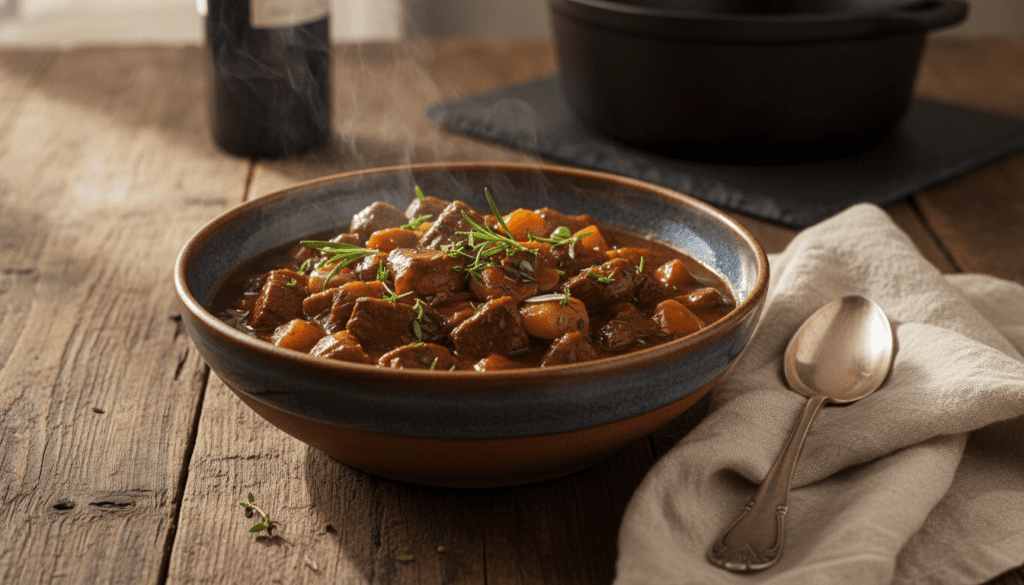
Hearty Barley Venison Vegetable Stew Recipe
Prep Time: 30 minutes
Cook Time: 3 hours 15 minutes
Servings: 6-8
Ingredients
-
- 2 lbs venison stew meat (shoulder, shank, or tougher cuts), trimmed of all fat and silver skin, cut into 1-inch cubes
-
- 2 tbsp olive oil, plus more if needed
-
- 4 oz bacon, diced (optional, for flavor and rendered fat)
-
- 2 large yellow onions, chopped
-
- 4 carrots, peeled and diced
-
- 3 celery stalks, diced
-
- 6 cloves garlic, minced
-
- 2 tbsp tomato paste
-
- 1 cup dry red wine (e.g., Cabernet Sauvignon, Merlot)
-
- 6 cups beef or venison broth
-
- 1 (14.5 oz) can diced tomatoes, undrained
-
- 1/2 cup pearl barley, rinsed
-
- 2 bay leaves
-
- 1 tbsp fresh thyme leaves, roughly chopped
-
- 1 tbsp fresh rosemary, finely chopped
-
- 1 tsp smoked paprika
-
- Salt and freshly ground black pepper to taste
-
- 1 cup frozen peas (optional)
-
- 1/2 cup fresh parsley, chopped, for garnish
Instructions
-
- Prepare the Venison: Pat the venison cubes thoroughly dry with paper towels. Season generously with salt and pepper.
-
- Sear the Meat: If using bacon, render it in a large, heavy-bottomed Dutch oven over medium-high heat until crispy. Remove bacon with a slotted spoon; set aside for garnish or discard if not wanted. Add 2 tbsp olive oil to the pot (or use bacon fat). Working in batches, sear the venison cubes on all sides until deeply browned. Do not overcrowd the pot. Remove seared venison to a plate and set aside.
-
- Sauté Aromatics: Add chopped onions, carrots, and celery to the Dutch oven, adding a bit more oil if needed. Sauté over medium heat, scraping up any browned bits from the bottom of the pot, until vegetables are softened, about 8-10 minutes.
-
- Build Flavor Base: Stir in the minced garlic and tomato paste. Cook for 2-3 minutes, stirring constantly, until the tomato paste darkens slightly.
-
- Deglaze: Pour in the red wine, scraping the bottom of the pot vigorously to release all the flavorful fond. Bring to a simmer and cook for 5 minutes until the wine has reduced by half.
-
- Simmer the Stew: Return the seared venison to the pot. Add the beef/venison broth, diced tomatoes (undrained), rinsed barley, bay leaves, thyme, rosemary, and smoked paprika. Stir everything together. Bring the stew to a gentle simmer.
-
- Low and Slow Cook: Reduce heat to low, cover the Dutch oven, and let the stew simmer gently for at least 2.5 to 3 hours, or until the venison is fork-tender and the barley is cooked through and plump. Stir occasionally to prevent sticking.
-
- Final Touches: Once the meat is tender, taste and adjust seasoning with salt and pepper as needed. If desired, stir in the frozen peas during the last 10 minutes of cooking.
-
- Serve: Ladle the hearty venison barley vegetable stew into bowls. Garnish generously with fresh chopped parsley and crumbled crispy bacon, if using. Serve hot with crusty bread.