The Ultimate Guide to North America’s Iconic Game Animals
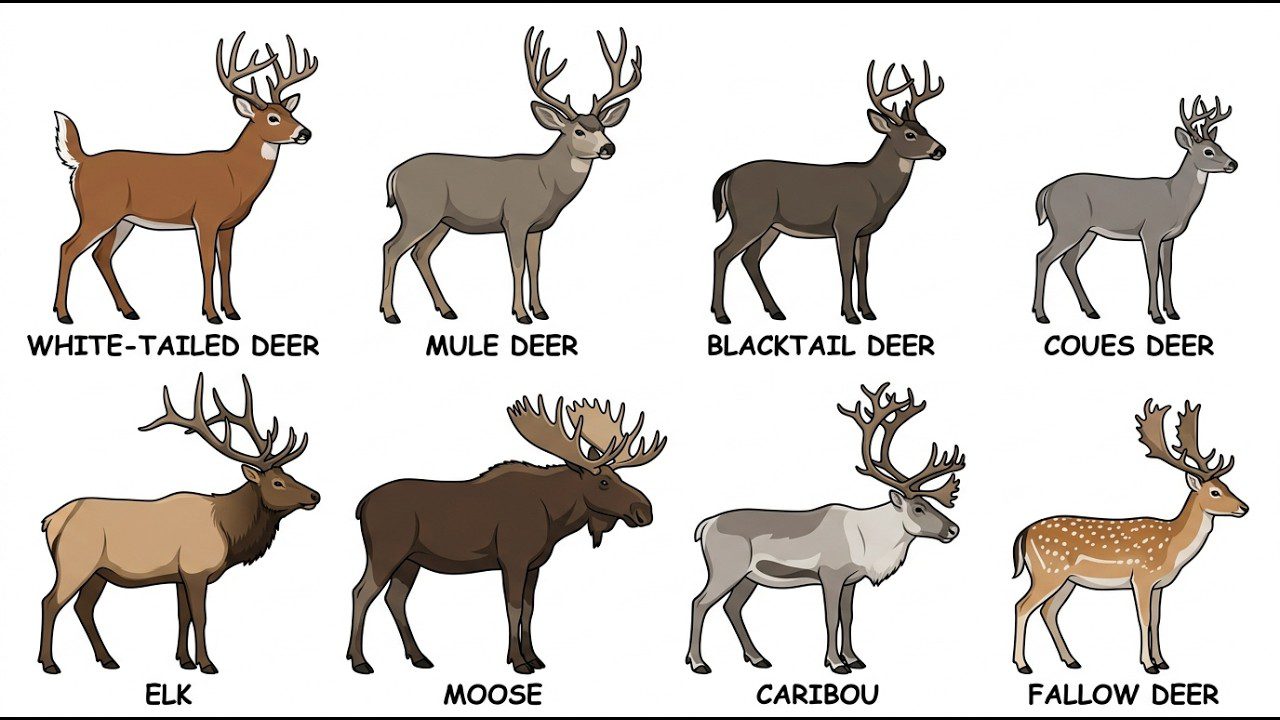
When it comes to hunting in North America, understanding deer behavior and their habitats is essential for success. The white-tailed deer is primarily crepuscular, meaning it’s most active at dawn and dusk. This behavior shifts during the rut in November, when bucks become more active during daylight hours, creating an invaluable hunting opportunity.
The Coues deer is notorious among hunters as the most elusive deer in North America. With its grey fur, it seamlessly blends into the rocky terrain of Arizona’s sky islands. Spotting this agile deer challenges even the most seasoned spot-and-stalk hunters.
In September, the haunting bugle of the bull elk resonates through the mountains, marking a crucial time for hunters. A mature 6×6 bull elk is the ultimate trophy for many hunters, symbolizing years of dedication and perseverance. The challenge intensifies when it comes to packing out a 700-pound animal from rugged landscapes, distinguishing dedicated hunters from the casual ones.
Though not originally from North America, the fallow deer has established a free-ranging population in Texas Hill Country after escaping from game ranches. Its presence is becoming increasingly common, offering new hunting opportunities.
Explore More:
- White-Tailed Deer
- Mule Deer
- Blacktail Deer
- Coues Deer
- Elk
- Moose
- Caribou
- Fallow Deer
For deeper insights into hunting strategies, wildlife biology, and the science behind better hunting practices, subscribe to Hunting Lab. Stay informed about everything from deer hunting to elk strategies.
Tags: #DeerHunting #HuntingLab #WhitetailDeer #MuleDeer #ElkHunting #MooseHunting #Caribou #FallowDeer #CouesDeer #BlacktailDeer